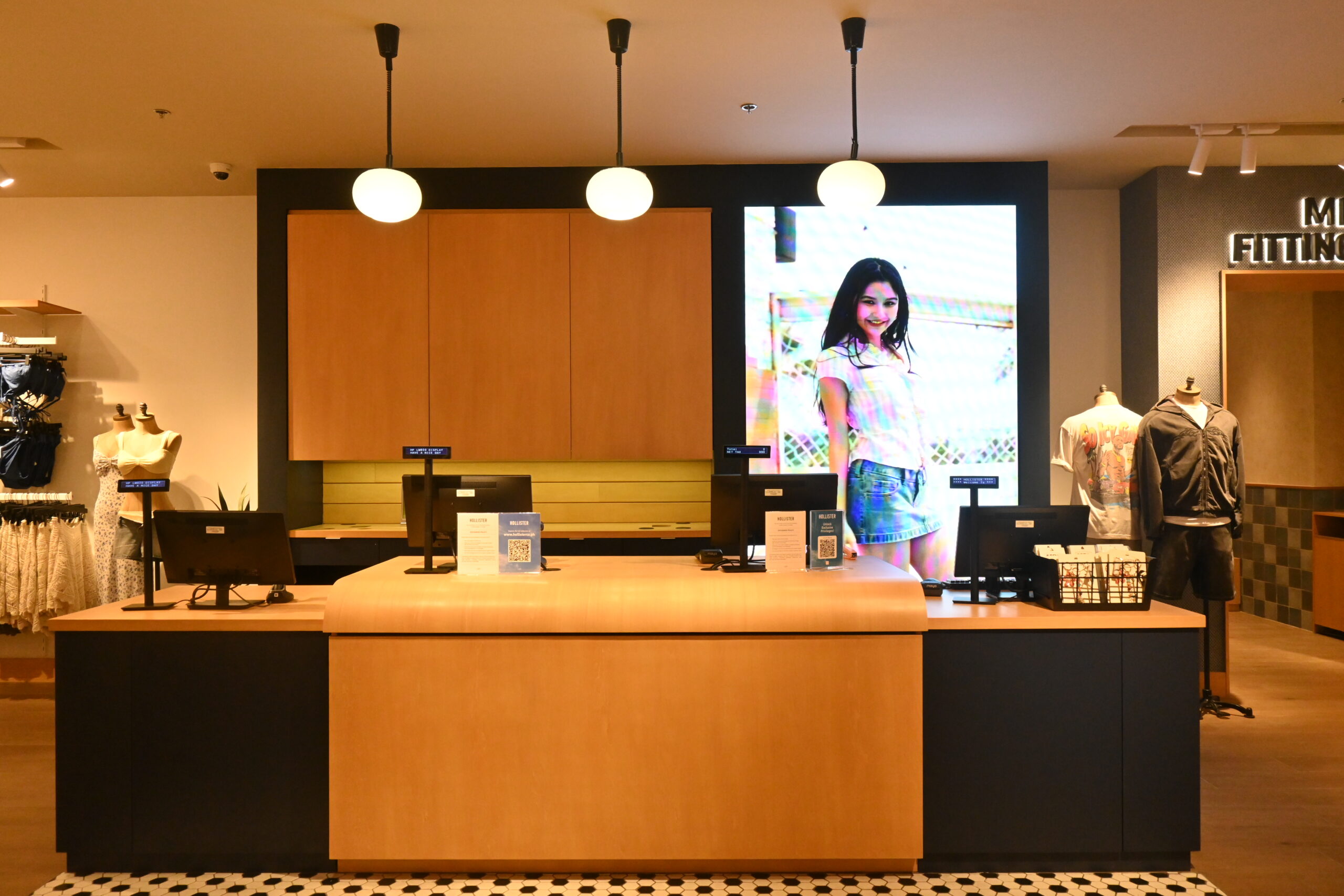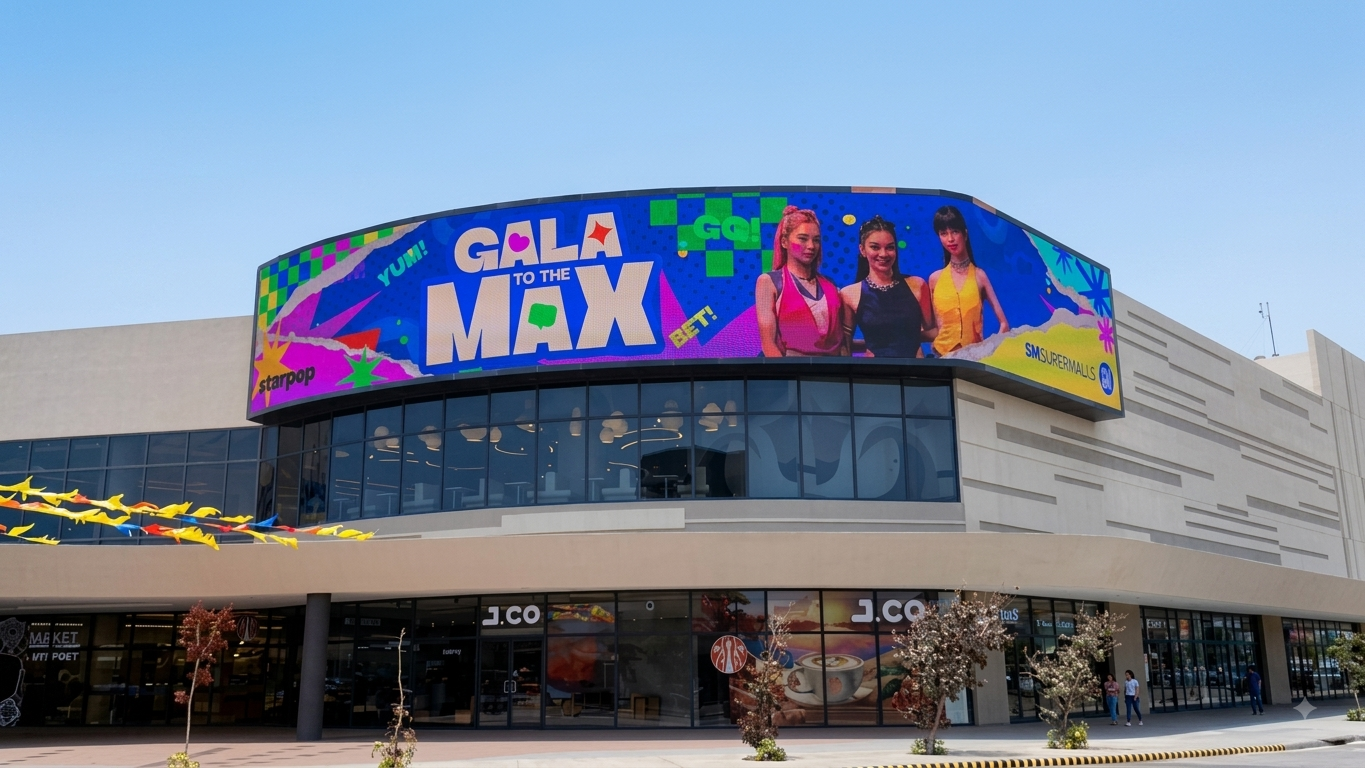
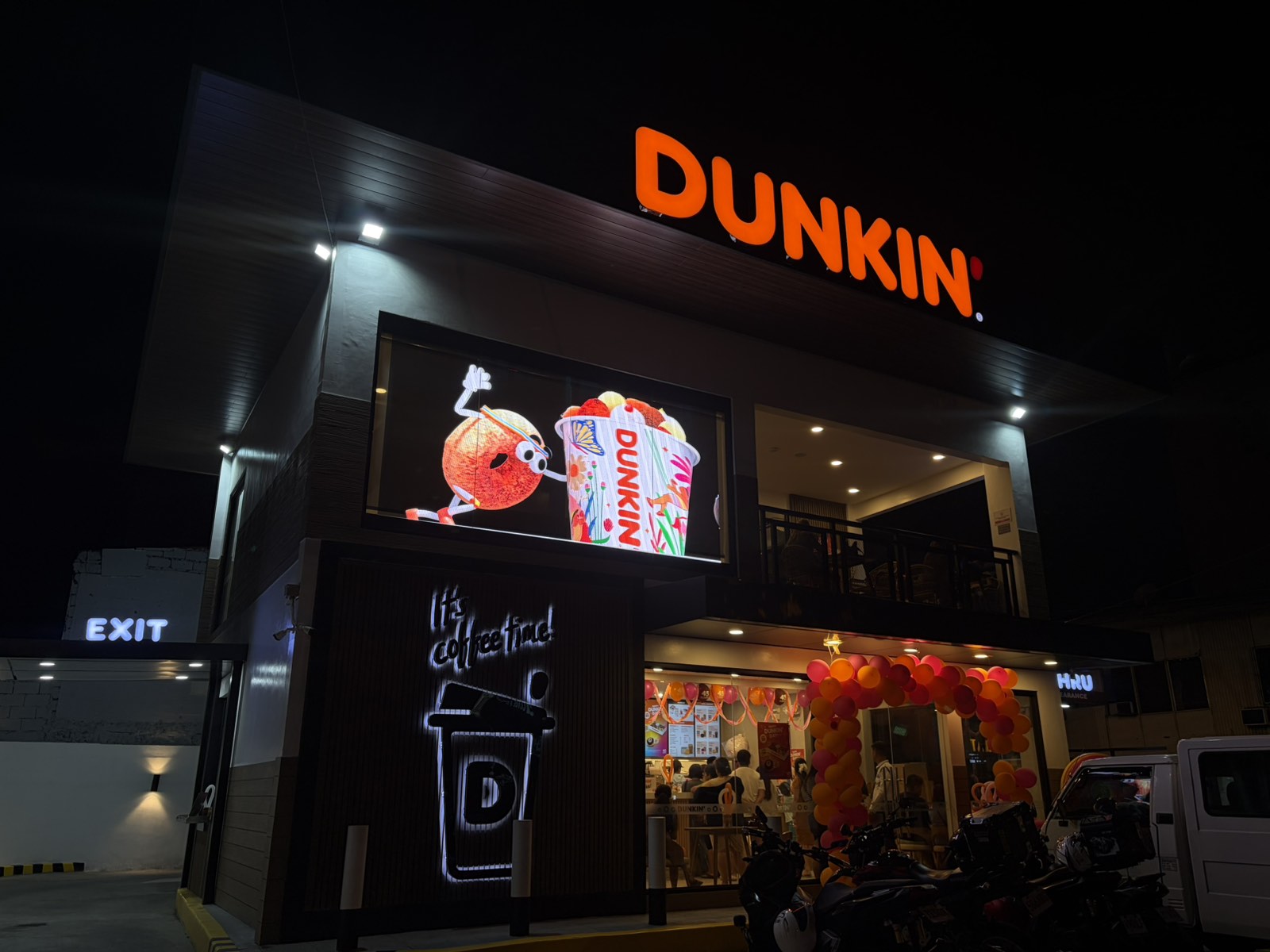
Glass storefronts give retailers an advantage for passersby to see their products, interiors, and branding before entering the store. It also gives businesses an interesting dynamic for digital content to garner attention. According to Research and Markets, Asia-Pacific accounts for 26.7% of the global digital signage market in 2024, fueled by improving customer engagement.
This is where a transparent LED display offers a way for visual content to show among people passing or going to your store. The compatibility of this option depends on different factors that meet your business needs. That said, understanding these differences can help businesses invest in a display that fits the space rather than simply choosing the most powerful screen.
How Transparent LED Displays Elevate Your Storefront
The right display depends on how the screen resonates with customers and the surrounding environment. These five factors can help you evaluate each option effectively.
Visibility and Transparency
Transparency is the clearest advantage of a transparent LED display solution. Its open structure allows your customers to see products, interiors, and natural light behind the screen while digital content plays in the foreground. Because of its quality, a transparent glass LED display works best for luxury boutiques, automotive showrooms, and other glass-fronted spaces.
Brightness and Daytime Visibility
Apart from transparency, brightness also takes great importance, particularly for storefronts exposed to daylight. Direct sunlight, reflections, and changing outdoor conditions can affect how clearly your content appears.
According to Samsung, the recommended brightness for an outdoor LED display panel should be at least 700 nits. Therefore, factors such as window orientation, sunlight exposure, surrounding lighting, and maximum viewing distance should be considered.
Viewing Experience and Pixel Pitch
Next, businesses should consider how customers will actually view the screen. Choosing the right pixel pitch affects the sharpness of the image. Hence, the right specification should reflect the distance between the display and the audience.
For example, a retailer could use an LED display screen to show a product animation while keeping the merchandise visible behind it. This layered experience makes the storefront more visually engaging without turning the window into a completely opaque advertising surface.
Installation and Maintenance Requirements
Installation and maintenance conditions determine if integrating an LED display board makes practical sense. According to Singapore’s IMDA, over 75% of small and medium enterprises have adopted entry-level digital solutions.
For your business’s physical store, here are some factors you need to consider before installing an LED smart board:
- Available mounting space
- Screen weight
- Power and data connections
- Cable routing
- Structural limitations
- Access for future servicing
These considerations make proper planning increasingly important as businesses move toward a more captivating digital experience.
Content Performance and Storefront Impact
Finally, content should match the characteristics of the selected display. A transparent LED display works well with bold graphics, bright visual elements, motion content, and designs that use negative space.
Dark areas can be especially useful on a large, transparent LED display screen because unlit portions preserve visibility through the screen. Businesses are then able to create content that complements the products and physical environment rather than completely hiding them.
Get the Right Transparent Display for Your Storefront
Choosing a transparent LED display for a glass storefront depends on several factors. Transparency, brightness, viewing distance, pixel pitch, installation requirements, and content influence how effectively the display fits your space. The right solution should preserve storefront visibility while delivering clear and captivating digital content.
If you’re planning to enhance your glass storefront with a digital display, you need a partner who understands both the technology and your space. Fortunately, Mediacast Digital Group provides a range of LED and digital display solutions designed for different business environments. For a tailored recommendation for your storefront, get in touch with us today!
Frequently Asked Questions (FAQs)
Here are answers to commonly asked questions about transparent LED displays:
How does a transparent LED display work?
A transparent LED display uses LED modules with gaps that allow light and visibility through the screen. This makes digital content appear while the area behind the display remains visible.
Can transparent LED displays be used for outdoor-facing storefronts?
Yes, suitable transparent LED displays can be used for outdoor-facing storefronts. Choose one designed for the location’s brightness and environmental conditions.
How often should storefront LED display content be updated?
Update content based on promotions, seasons, and campaigns. Regular updates keep the storefront fresh and engaging.