
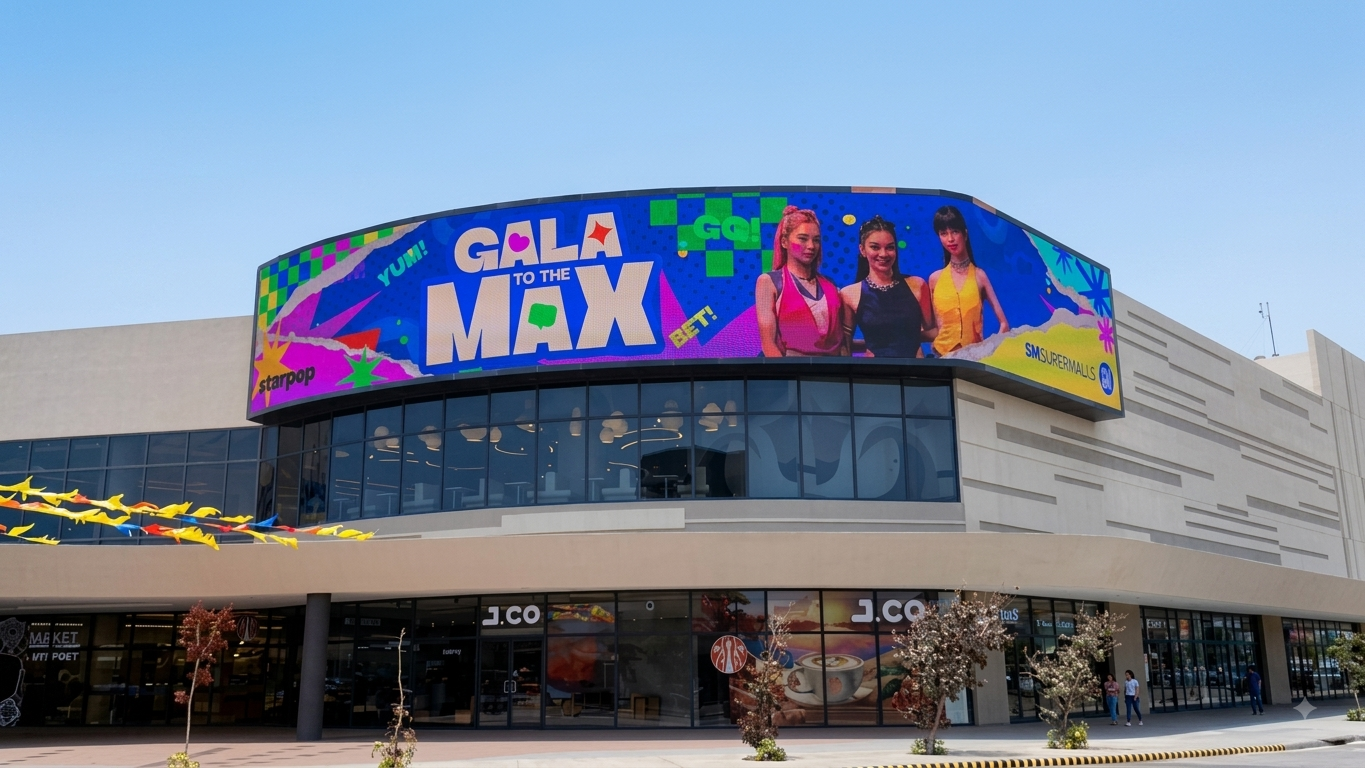
Tag: led display panel price

  • How to Choose the Right Pixel Pitch for an Outdoor LED Display Screen

    How to Choose the Right Pixel Pitch for an Outdoor LED Display Screen

    When you choose an outdoor LED display screen, you’ll be introduced to various types of pixel pitch available. Pixel pitch, or dot pitch, refers to the distance between the centers of two adjacent LED pixels, measured by millimeters. This specification packs pixels closely or farther together, which would determine the visibility of your display ads.

    According to the Psychology of Advertising, people roughly see 5,000 ads in a day. The chances of your ad getting seen at a public place would depend on the viewer’s distance to the display. An effective viewing experience would ensure your budget is efficiently maximized. This article guides you on choosing the best pixel pitch for your outdoor LED screen.

    Matching Pixel Pitch and Viewing Distance

    When choosing an outdoor LED display screen based on pixel pitch, the viewing distance should be the top consideration. The human eye perceives individual pixels differently depending on how close the viewer stands. For instance, a display with an extremely fine pitch can produce impressive detail at close range. However, distant viewers may not see a meaningful difference compared with a moderately finer display.

    To help you get started, here are common pixel pitch ranges you can choose from:

    • P2: A suitable starting point for relatively close viewing of around 2 to 5 meters. It can support detailed graphics, smaller text, and types of promotional activities.
    • P3: Ideal for a viewing distance of 3 to 6 meters. This option is appropriate for displays where audiences approach the screen while still requiring strong image detail.
    • P4: A practical option for many retail, commercial, roadside, and promotional applications with a viewing distance of 4 to 8 meters.
    • P5: Works effectively for larger advertising displays and public spaces for viewers 5 to 10 meters away.
    • P6 and larger: Ideal for large-format displays with a distance of more than 10 meters.

    These ranges should serve as starting points rather than fixed rules to choose the right LED display wall panel for outdoors.

    Other Factors in Choosing an Outdoor LED Display Screen

    Marketing Interactive reports that rising outdoor activity is fueling the growth and impact of digital out-of-home (DOOH) advertising. When selecting the right outdoor LED display screen, here are other factors to consider:

    • Installation location: Pedestrian-facing displays usually require different considerations from highway or roadside screens.
    • LED display size: Larger installations can maintain effective visibility with a larger pitch when viewed from a suitable distance.
    • Maintenance and operating requirements: Consider the display’s expected operating conditions and long-term service needs.
    • Viewing angles: Determine where the audience will actually stand or travel rather than designing for one ideal viewing position.
    • Content requirements: Detailed videos, screen sizes for design, product photography, and smaller text can benefit from finer pixels.
    • LED display panel price: A finer pitch generally means more LEDs across the same area, which can increase equipment costs.

    Choosing the right outdoor led display panels helps you maintain clear, engaging visuals without paying for pixel density that viewers may not notice.

    Choose the Pixel Pitch That Fits Your Display’s Purpose

    The right pixel pitch for an outdoor LED display screen depends on your audience’s viewing distance and the type of content you plan to show. A smaller pitch range can provide finer detail. However, the appropriate specification for your viewing conditions is what actually delivers the visual quality you need without adding unnecessary costs.

    If you’re planning an outdoor digital display, Mediacast Digital Group offers digital display solutions designed for different environments and applications. From outdoor LED displays to video walls and other digital signage systems, our team can help you select a solution suited to your project. To get a tailored recommendation, contact our team today!

    Frequently Asked Questions (FAQs)

    Here are answers to commonly asked questions about 

    What is a good pixel pitch for outdoor LED screens?

    The best pitch depends on viewing distance, screen size, content, and location. For most business applications, P4 to P6 is chosen for its visibility at moderate to long distances. 

    Does screen brightness determine pixel pitch?

    No, brightness and pixel pitch are separate specifications. Brightness determines visibility in ambient light, while pixel pitch affects image detail and viewing distance.

    Can pixel pitch affect viewing comfort?

    Yes, an unsuitable pixel pitch can make images appear less defined or cause individual pixels to become noticeable at close range. Choosing a pitch suited to the audience’s viewing distance provides a more immersive visual experience.
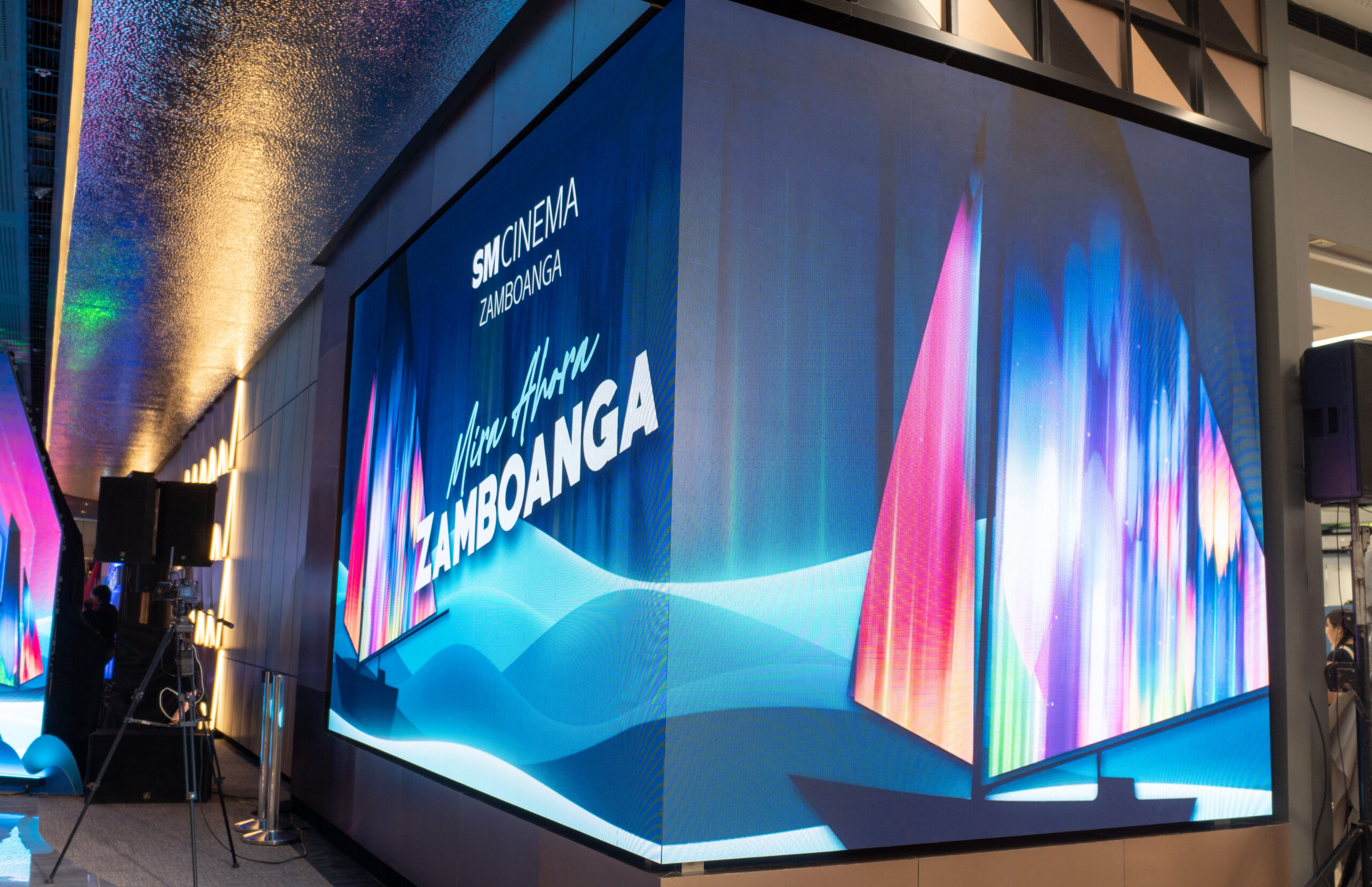
  • Key Factors That Drive LED Wall Prices in the Philippines

    Key Factors That Drive LED Wall Prices in the Philippines

    Every project has different LED display requirements, installation conditions, and supporting equipment. For instance, a small retail store may need a compact indoor screen, while major establishments require larger screens for more visibility. Hence, the growing role of digital communication supports the demand for modern display solutions.

    According to Markets and Markets, the Southeast Asian digital signage market has a compound annual growth rate of 10.5% in 2026. This expansion shows why businesses consider digital displays, and the cost of an LED display panel represents only one part of the investment. For this reason, business owners assess how they utilize this technology.

    4 Factors That Affect LED Wall Costs

    Here are factors that influence the price of an LED display panel and why you should consider them to make the smart choice for your business:

    Screen Size and Number of Display Panels

    The physical size of a LED wall directly affects its material requirements. To illustrate, a larger display requires more LED modules or cabinets, power supplies, cabling, and structural support. As a result, the overall project scope increases.

    Before choosing screen dimensions, it is important to consider the following:

    As a rule of thumb, a large LED display creates a strong visual impact in spacious environments. Meanwhile, smaller screens provide a better fit for small, intimate spaces. Screen dimensions also help determine the number of LED panels needed for the place.

    Pixel Pitch for Image Detail

    Pixel pitch, or dot pitch, refers to the distance between individual pixels on an LED screen. A smaller pixel pitch places pixels closer together, producing greater image detail for viewers. This specification generally increases the cost of an LED display panel.

    When comparing the types of LED display panel available, always consider the dot pitch and how the display generally looks. Paying for extremely fine detail may provide limited additional value when viewers will primarily see the screen from a considerable distance.

    Brightness and Resolution

    Brightness requirements influence LED wall pricing. For example, an outdoor LED display in the Philippines should remain visible under changing environmental conditions throughout the day. Therefore, it requires higher brightness specifications or luminance. Indoor displays, on the other hand, operate under controlled lighting.

    Meanwhile, resolution depends on the relationship between screen size and pixel pitch. For this reason, businesses should focus on producing sharp, readable visuals within the intended viewing environment. These are practical considerations when selecting digital displays.

    Installation and Supporting Hardware

    The complete cost of an LED display panel is not always represented by its specifications. Factors such as installation requirements and professional labor also determine the cost of these panels. In addition, complex structures may require additional fabrication and planning to complete the project.

    Supporting hardware can also affect the final quotation. An LED wall may captivate digital experience due to its equipment, such as:

    • Controllers
    • Sending and receiving cards
    • Power supplies
    • Control systems
    • Content management equipment
    • Media players

    Businesses should therefore assess the installation site and request an itemized quotation. The price should cover the display, mounting, supporting hardware, warranty, and technical support.

    Choose the Right LED Wall for Your Application

    LED wall prices in the Philippines depend on the complete system required. Screen size, pixel pitch, brightness, resolution, installation, and supporting hardware influence the final costs. Hence, the right LED display panel provides the appropriate visual performance that fits your environment, viewing distance, and budget.

    If you’re planning a new project that requires immersive displays, you need a partner with a diverse range of digital solutions. Fortunately, Mediacast Digital Group provides digital and rental LED displays suitable for indoors, outdoors, video wall systems, and more. For a tailored recommendation, get in touch with us today!

    Frequently Asked Questions (FAQs)

    Here are answers to commonly asked questions about LED wall pricing and factors:

    How much is a LED wall?

    The cost of an LED wall depends on its size, pixel pitch, resolution, brightness, and installation requirements. To determine the total cost, coordinate with your local digital display company.

    Does an LED wall require regular maintenance?

    Yes, regular maintenance helps the display operate reliably and deliver consistent image quality. Maintenance includes cleaning, component checks, and servicing damaged modules.

    Can LED walls be customized to fit unusual spaces?

    Yes, LED walls can be designed in different sizes, shapes, and configurations to suit unusual spaces. A display specialist can recommend the appropriate solution based on the available area and viewing requirements.